Butterfinger
What Is It?
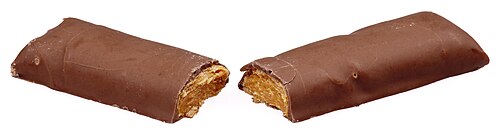
A crispy, layered peanut butter-flavored candy core — made from pulled, aerated peanut taffy — enrobed in milk chocolate.
History
Butterfinger was introduced by Curtiss Candy in 1923, three years after Baby Ruth, and quickly became the company's second major hit. Its defining texture — a crispy, flaky, layered peanut butter-flavored center — was unlike anything else on the market. The candy is made by pulling and aerating a peanut-and-corn syrup mixture into thin layers, creating the characteristic shatter when bitten. The name was chosen through a national promotion in which Schnering invited the public to submit names, selecting 'Butterfinger' from the entries. Like Baby Ruth, Butterfinger was marketed aggressively — Schnering famously had both bars airdropped over major American cities in a single promotional campaign. Butterfinger has remained in continuous production since 1923, passing through the same ownership chain as Baby Ruth (Standard Brands, Nestlé, Ferrero) and remaining one of the most recognizable candy bars in America.
Other Products from Curtiss Candy Company
- Kandy Kake
A combination candy bar of caramel, peanuts, and milk chocolate — the direct predecessor to Baby Ruth, sold under the Curtiss name before its 1920 rebrand.
- Baby Ruth
A caramel nougat center studded with peanuts, enrobed in milk chocolate — one of the best-selling American candy bars of the 1920s.